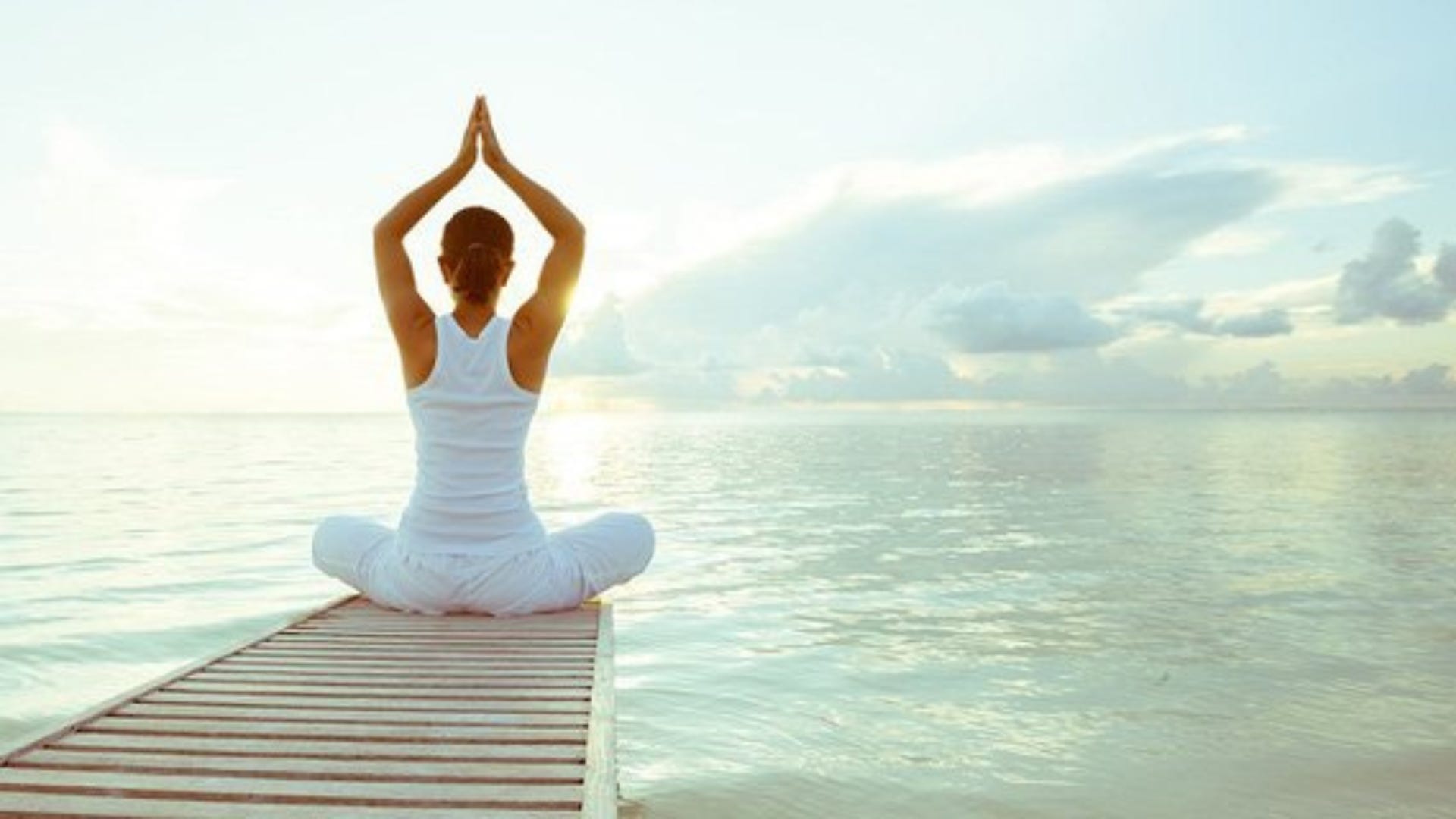
Alongside those who practice meditation regularly, there are still many who started and then stopped, others who haven't begun due to hesitation or shyness, or those who practice without understanding
This picture captures a moment when I was truly feeling the sun and the wind, the earth and the water, the blue sky and the white clouds in Da Lat back in 2023.
It’s been more than 10 years of practicing meditation, and today I spontaneously decided to write these words. They are simply personal experiences I want to share.
There were times when I wanted to teach meditation. At that moment, I felt that meditation was so wonderful, so beneficial, and that if everyone practiced it, every home would find peace. It was just a want. And then I realized that was my ego, or what one might call an attachment, or simply my ‘self,’ so I stopped indulging that desire.
That’s when I realized it was my perfectionism that needed adjustment. At the same time, I held firm in facing the truths, accepting those facts even when they were the source of chaos in the family or professional works. Looking straight at the truth helped me walk in peace and deeply empathize with the hidden corners of every family member’s soul. And so, I quietly stand by them.
There were times I thought I had successfully integrated meditation into my daily actions, so I stopped setting aside a specific time each day to meditate. I managed fine in the beginning, but then I started to feel exhausted by negative energies. So, I returned to meditating regularly every early morning for about 10 to 15 minutes, treating it like ‘brain exercise.’
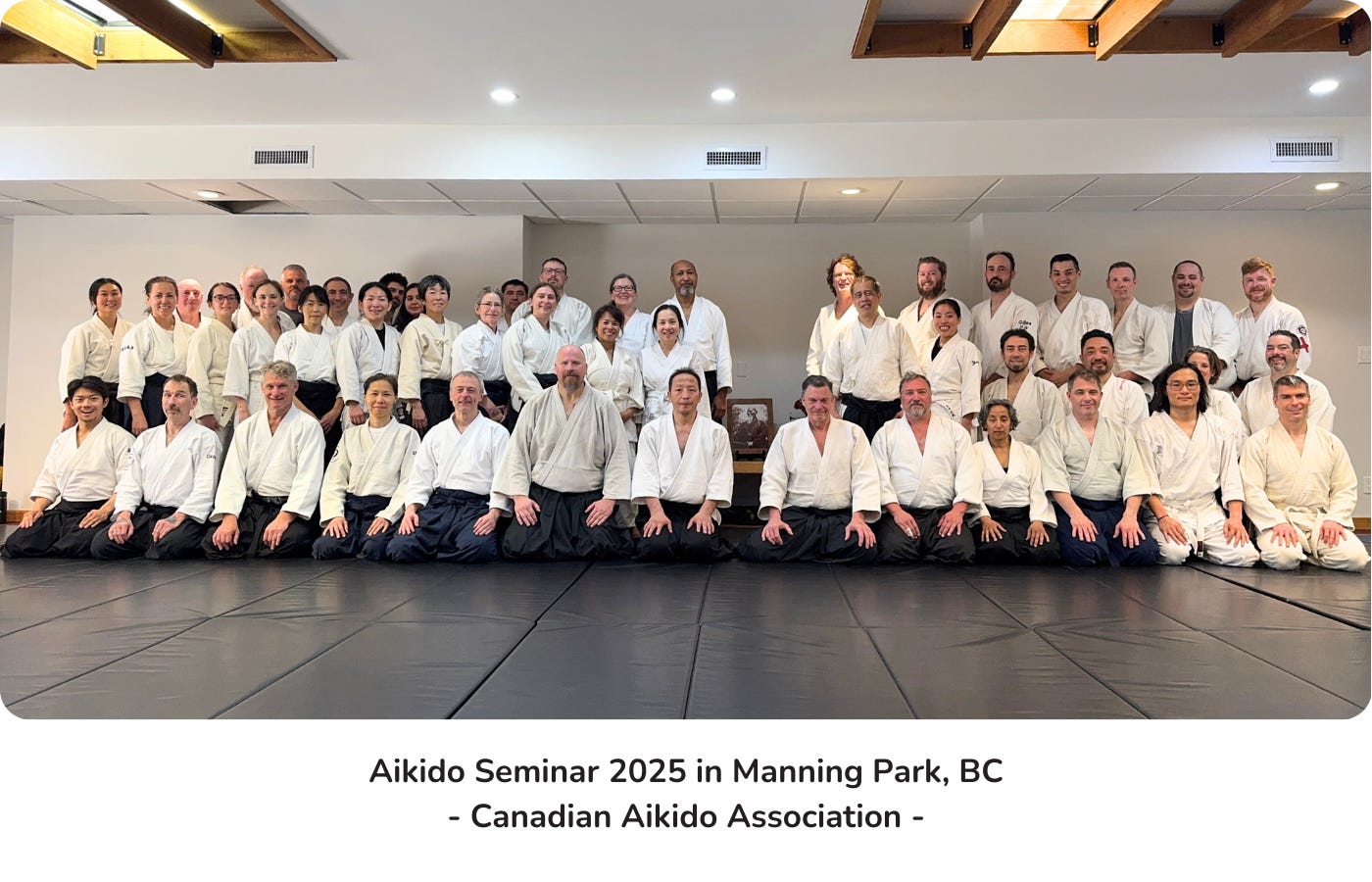
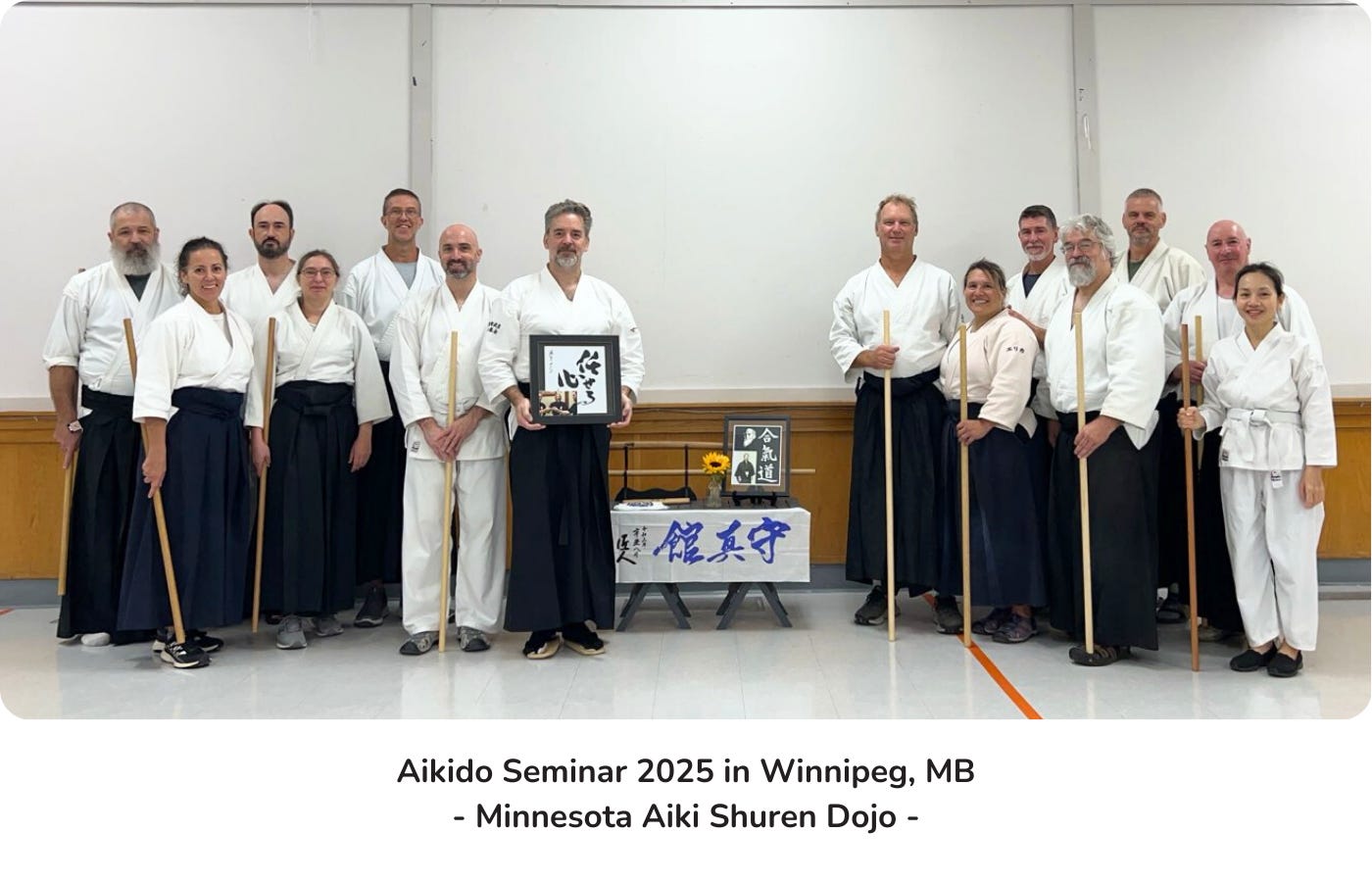
But then I realized that meditation isn’t only about sitting in silence. Whenever we are truly present in the here and now, that itself is a meditative state of conscience or what we might also call a state of flow. So practicing yoga, tai chi, aikido, and deep breathing already serves as a complete practice, harmonizing the spiritual level, intellectual level, emotional level and physical level.
The truth is, someone who practices meditation is still a human being, and there are still many things they need to complete or improve upon. If you look at a practitioner and judge them—perhaps they did something that wasn’t virtuous or didn’t align with your perspective—by thinking, ‘They practice meditation, and yet they act like that?’ then you are lacking generosity towards them.
For me, meditating is also learning to observe my own thoughts, understand my own emotions, and then training myself in every action to live kindly with boundless gratitude.
And here is my compiled article about meditation through the lens of Western science.
Meditation and the Unexplored Dimensions
Meditation is rapidly gaining popularity, not just in Asian countries, but across the West as well; not only within spiritual communities, but also among the broader public. Meditation is gradually becoming a global lifestyle, spreading from the home, to schools, and into organizations.
Alongside those who practice meditation regularly, there are still many who started and then stopped, others who haven’t begun due to hesitation or shyness, or those who practice without a clear understanding of what meditation truly is.
The scope of this article is to offer different perspectives on the benefits as well as the potential limitations of meditation, and to outline the currently popular meditation methods, so that you may choose a practice that is truly suitable for your own being.
CONCEPTS RELATED TO MEDITATION
Meditation is different from mind control and is not about stopping thoughts.
Meditation is not limited by space and time.
Meditation transcends the boundaries of religious or spiritual beliefs.
Each person has different meditation experiences.
Meditation requires consistency and perseverance.
There is no “right” method of meditation, only the method that is “suitable” for you.
There are 3 basic meditation techniques.
Meditation is different from mind control and is not about stopping thoughts.
Meditation is training the mind to “settle down,” gently “pulling” the mind back from its wandering, keeping it present right here and right now.
Meditation is not limited by space and time.
There is no such thing as a perfect place to meditate. The practice of meditation can happen anywhere, at home, in the garden, while waiting at the airport or train station, on the beach, and so on.
The universe grants 24 hours to every person. Time is something you actively arrange, and it requires prioritizing time to meditate at some point during the day, such as early morning after waking up, during a lunch break, or before going to sleep, etc. The duration of the session 5 minutes, 10 minutes, 20 minutes, 30 minutes, etc. is entirely up to your personal schedule and well-being.
Meditation transcends the boundaries of religious or spiritual beliefs.
Meditation does not require adherence to a specific spiritual belief.
Many people belonging to different faiths still practice meditation regularly, and it never conflicts with their existing religious beliefs.
Every person has different meditation experiences.
We are all unique individuals, and therefore, our experiences during meditation will be equally rich and diverse.
Any specific “transcendent” experiences are merely those individual’s personal experiences, and they are not the ultimate goal of meditation practice.
Meditation requires consistency and perseverance.
It is only through regular training and practice, allowing meditation to become a habit within your daily activities, that its benefits will truly manifest for you.
There is no “right” method of meditation, only the method that is “suitable” for you.
Through consistent practice and experience, you will discover the meditation method that aligns best with your own being.
There are 3 basic meditation techniques.
These are Focused Attention Meditation, Open Monitoring Meditation, and Automatic Self-Transcending Meditation.
BENEFITS OF REGULAR MEDITATION PRACTICE
Helps to “clear out” the mind, allowing for a brighter and clearer perception of things.
Improves the ability to focus and stabilizes the mind.
Reduces stress, anxiety, and pressure.
Brings about a relaxed state of spirit.
Increases thinking and creative capacity.
Enhances critical thinking skills.
Gains mastery over emotions, clarity in thoughts, and intentionality in all actions.
Becomes more sensitive and profound.
Nourishes compassion and empathy, stemming from a deep understanding of oneself and those around them.
It’s worth noting that while some studies highlight the benefits of meditation, other research suggests that claims like “meditation can reduce stress, anxiety, and pressure” still lack sufficient data for definitive confirmation. Similarly, the notion that “meditation helps improve physical and emotional health” remains introductory evidence.
The Escape Mechanism: If meditation is employed as a tool to “achieve a state” of mental tranquility while ignoring reality, it can become a means to avoid confronting undesirable situations and lead to an attachment to what one merely wishes or desires.
Transcendent Experiences: If one considers their own experiences during meditation to be “transcendent,” it is possible that the ego is leading them, which can ultimately lead to a heavier sense of disappointment on many levels.
Resurfacing of Wounded Emotions: Painful memories, emotional scars, and feelings of grief may arise during meditation. By simply accepting these memories and emotions, and learning the lesson they carry, you can gradually gain a more balanced view of the nature of things and adjust your behavior toward greater harmony through subsequent practice sessions.
Health Barriers: There is no specific measure for the amount of time required for meditation, and you must remain aware of your body’s physical health. Maintaining one posture for too long while sitting in meditation can affect musculoskeletal health. Any effort that exceeds your body’s capacity will create an imbalance within you, affecting your thoughts, emotions, and physical state.
POPULAR MEDITATION METHODS TODAY
Depending on each person’s personality and lifestyle, they will discover the meditation method that is suitable for them through practice, experience, and careful selection..
The popular meditation methods available today include:
Loving-kindness meditation
Progressive muscle relaxation
Mindfulness meditation
Breath awareness meditation
Mantra-based meditation
Transcendental meditation
Mindfulness-based stress reduction
Guided meditation
Loving-Kindness Meditation
Also known as Kindness Meditation or Compassion Meditation, this practice helps to cultivate gratitude, kindness, and love toward all things.
With every deep breath, the meditator opens their heart to receive love and extends their compassion to the world around them.
Guided Meditation
The meditation guide, combining their voice, music, and spoken instructions, helps the practitioner gradually ease into a state of focus. This can be done either directly in person or indirectly through recordings.
The practitioner is prompted to awaken deep mental associations by engaging their physical senses to perceive images and scenarios that facilitate maximum relaxation.
Mindfulness Meditation
Mindfulness Meditation helps the practitioner return to themselves, living within each moment of the present, instead of regretting the past or worrying about the future.
The core principle of Mindfulness Meditation is non-judgment and non-criticism. Rooted in Buddhist philosophy, it involves understanding the constant, ceaseless change of the universe and accepting the nature of “impermanence” in life.
The present moment is, in fact, the happiest and most perfect moment of every person’s life.
Mantra-Based Meditation
This is also known as Mantra or True Sound Meditation. Mantra is a Sanskrit term where “man” means “mind” and “tra” means “to free” or “to release.”
The practitioner repeats a syllable or phrase, either internally or spoken aloud. These sounds, which may carry specific meaning, are viewed as a means to connect with the mind, keep the mind focused, and transform negative thoughts and emotions into positive ones. (Examples of Mantras include chanting or recitation in Buddhism, or reciting sacred texts in Catholic communities, etc.).
This method is also closely related to the Affirmation technique in Neuro-Linguistic Programming (NLP), which helps to re-establish positive language for oneself.
Breath Awareness Meditation
This involves focusing on the breath, taking a deep inhale and a slow, completely natural exhale while the body is in a relaxed state.
The gentle release of the breath helps the body relax, gradually reducing the distraction caused by streams of anxious thoughts.
Transcendental Meditation (TM)
This is a meditation method that uses a mantra, which is silently and repetitively recited. Each person, based on their unique individual characteristics, is assigned a different mantra.
The ultimate goal of TM is to clear away the negative thoughts, worries, and anxieties of daily life, increasing resilience and helping one find clarity and peace within the soul.
Mindfulness-Based Stress Reduction (MBSR)
Developed at the University of Massachusetts Medical Center (USA) in the 1970s by Professor Jon Kabat-Zinn, MBSR is a combination of mindfulness meditation, body awareness, and yoga. Its goal is to help people become more present and attentive, thereby enabling them to gain self-mastery and regulate their emotions.
Currently, the Center For Mindfulness in Medicine, Health Care, and Society (CFM) at the University of Massachusetts Medical School (UMASS) is regarded as the largest and oldest medical institution in the U.S. for training and treatment using MBSR. MBSR is officially incorporated into clinical teaching and practice at many Western medical schools, including several major U.S. universities such as UMass, Stanford, Duke, Virginia, and San Francisco.
Progressive Muscle Relaxation (PMR)
Progressive Muscle Relaxation (PMR) is an anxiety-reduction technique that was first introduced in the 1930s by the American physician Edmund Jacobson.
The practitioner starts at the extremities of the body, usually the feet, and gradually works their way up to the entire body. This technique focuses on alternating the tensing and relaxing of all the major muscle groups in the body.
Thanks to its calming and relaxing process, many people adopt it as a form of meditation to help facilitate deep sleep.
MEDITATION IS A MIND-BODY THERAPY METHOD WITHIN THE FIELD OF ALTERNATIVE MEDICINE
There is no single, universal method of meditation that can be applied to everyone; instead, it is up to each individual to discover the type that is suitable for them alone. Likewise, there is no universal formula for how long a meditation session should last or how frequently it should be done each week.
It can be said that meditation is an essential skill in modern life, requiring long-term practice, persistence, and perseverance to become a genuine habit and bring about balance in one’s body, mind, and spirit.
When one truly understands and feels this, sometimes imperfection is the most perfect state in the present moment. Being happy in every living instant means we are truly living in awareness and peace.