

There’s something fascinating happening in the business world presently: more and more people are choosing to become a “one-person army.” They don’t want to be tied to heavy structures. They don’t want to chase flashy startup models. They want autonomy, freedom, and the ability to deliver value in their own unique way.
And that’s when the concept of a solopreneur quietly emerges, subtle but persistent, small but full of vitality.
But there’s an uncomfortable truth that few people say out loud:
90% of those who choose the solopreneur path fail right from the early stage.
The reason isn’t capability.
It isn’t the market.
It isn’t a resource.
The truth is simple: they don’t know what business model they are operating under.
Before we talk about solutions, we must clarify something many people confuse:
Not everyone who works for themselves is an entrepreneur, and not everyone who works alone is a solopreneur.
Before you step onto any path, you must clearly distinguish five concepts that are often used interchangeably: entrepreneur, small business owner, solopreneur, solo expert, and freelancer.
Definition misunderstanding is the first step toward misunderstanding strategy.
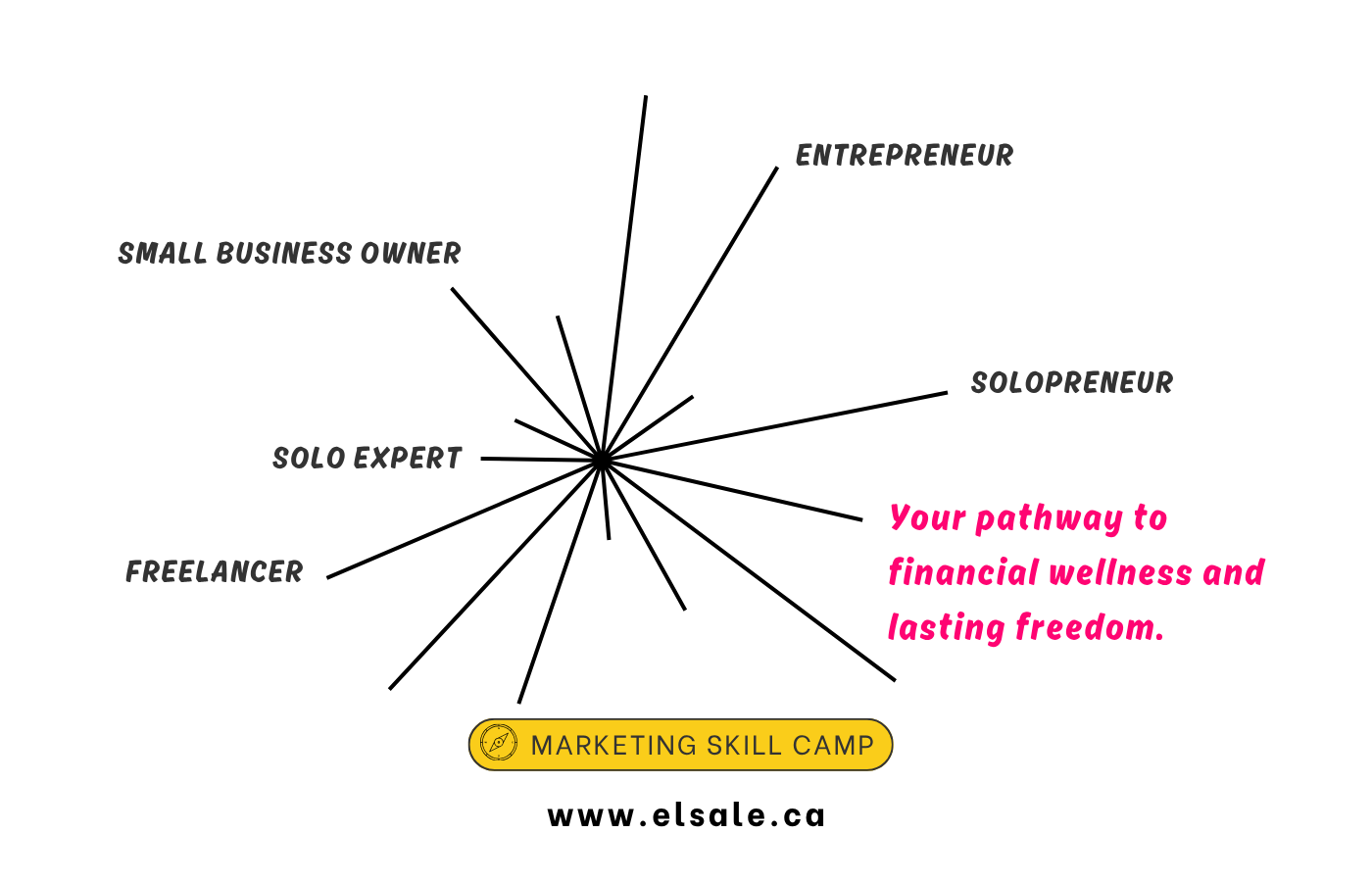
1. Understanding the Five Paths Properly
Entrepreneur – Big Dreams and the Growth Game
Entrepreneurs wants to create an empire. The build businesses that they intent to scale. They seek venture capital or high-risk financing, chase big opportunities, large markets, and prioritize speed and expansion. They dream of a team of people to bring their idea to the next level.
You can find examples of entrepreneurs in every industry like Sara Blakely - founder of Spanx, Oprah Winfrey - TV personality, Steve Jobs - Apple, Jeff Bezos - Amazon
Advantages: high potential growth, big opportunities.
Limitations: heavy pressure, high risk, requires significant resources and team building.
Small Business Owner – The Path of Stability
They set up a small business intend to hire employees to serve customers in person within a specific location, something with a storefront like cafés, boutique grocery store, restaurant, flower shop, etc.
They value stability, consistent cash flow, and operational sustainability. Their goal is effective maintenance, not expansion at any cost.
Advantages: safer, easier to manage.
Limitations: limited scalability, profit depends heavily on daily operations and local demand.
Freelancer – Selling Time Through Skill
Freelancers work by project and get paid per task or per hour. Their income directly depends on how much they work.
Advantages: flexible, low cost, easy to start.
Limitations: income instability, trapped in the cycle of “work - earn - finish - find work again.”
Solo Expert – Turning Expertise Into Value
These are independent specialists like coaches, consultants, trainers, marketers, technical experts. They sell deep knowledge and problem-solving capability.
Advantages: high profit margins, high value per client.
Limitations: dependent on personal reputation, hard to scale, difficult to start without prior authority.
Solopreneur – Running a System on Your Own
Solopreneurs combine entrepreneurial mindset with lean operation. They don’t sell time, but they build a value-generating system that can run long-term: products, packaged services, automated processes.
They excel at value creation, sales, and system design, so revenue does not rely solely on working hours.
Advantages: lean, autonomous, flexible, high margins, scalable income, sustainable model.
Limitations: easy to get lost without a clear business model.
Most people jump into action, creating content, taking on clients, and building products without knowing the model they are following.
When People Fail on the Solopreneur Path
They don’t know their score values.
They don’t know what creates sustainable profit.
And in the end, they stay busy but not growing.
2. No Path Is Filled with “All Roses”
No choice is universally the best. Only the choice that fits your reality and vision is right.
Entrepreneur fits the bold, speed, risk taker.
Small business owner fits those valuing stability.
Freelancer fits those wanting instant independence.
Solo expert fits those with deep expertise.
Solopreneur fits those who want freedom and systemization.
What do all paths share?
Everyone needs a business model clear enough to show where they’re heading.
What differs?
The way you create value and generate revenue varies entirely.
3. Why Solopreneurs and Small Business Owners Need a Solid Model From Day One
Many young people, especially marketing students or small business owners, start with a burst of inspiration:
“I want to do this because I love it.”
Inspiration is only a spark.
But to keep the fire alive, you need a stove, structure and fuel.
Remember:
No model means no direction.
No direction means you stay busy but don’t move forward.
Reason 1: Preventing You From Getting Lost in the Chaos
Solopreneurs juggle everything including sales, product, service delivery, branding, content.
Without a model, confusion becomes exhaustion.
Reason 2: You Understand Where Income Mainstreams Truly Come From
A business model is the compass that answers four essential questions:
Whom do you serve?
What value do you deliver?
How do you generate revenue and profit?
How will you scale sustainably?
Without clarity, solopreneurs fall into predictable traps:
Overworked but underpaid
Low pricing from lack of confidence
Client dependency
Loss of freedom and identity
Fast burnout
If you walk without knowing which model you’re following, the risk is not random because it’s guaranteed.
Reason 3: You Build an Authentic, Sustainable Personal Brand
A brand is not neither a logo nor a name.
A brand is the emotion people recall when you leave the conversation.
A solopreneur with a clear business model knows precisely:
What makes them memorable
Why clients are willing to pay them
How much more value clients receive than what they pay
Why clients stay loyal
Reason 4: You Avoid the Trap of “Fake Growth” and “Busy but Not Wealthy”
Many young people pursue solopreneurship because it looks “cool,” “free,” “minimalist and professional.”
But solopreneurship is not a lifestyle.
It is the ability to build an efficient, semi-automated system that generates value.
A great solopreneur is not someone who does everything alone.
A great solopreneur is someone who systemizes so they don’t get drown by work.
What you truly need is:
Defining clear target audience
Choosing a proven, long-term business model
Compounding profit and scalable income
Simple but effective operations
A self-motivated cycle that keeps you fueled, not drained
4. If You Want to Go Alone, Go Organized And Systemized
The one-person path is not a lonely path—it’s a path of meaningful value for yourself, your collaborators, and your community.
Choosing to be a solopreneur or a small business owner is not choosing to stay small.
It is choosing to be lean, intentional, and deeply aware of what you want to build.
You don’t need to build a unicorn startup.
You don’t need to become a top-tier expert overnight.
But you do need a business model that is proven, sustainable, scalable—and allows you to grow income without increasing working hours, so you can enjoy true abundance and reclaim long-lost dreams.
Because ultimately, business exists to create income that elevates your life, expands authentic connections, and enables shared growth.
If you’re deciding between entrepreneur, freelancer, solopreneur, or small business owner, pause and conduct an internal Google search and ask yourself “Why?” five times at least.
Here’s the dividing line:
Entrepreneurs chase scale.
Small business owners chase stability.
Freelancers sell their time.
Solo experts sell their expertise.
Solopreneurs sell a value-generating system, not their sweat.
A solopreneur must sell a value-generating system, not their own sweat.
Solopreneurship is not for the impulsive.
It is a long-term strategy for those who want structured freedom and lean, high-efficiency operations.
And if you’ve decided that solopreneurship is your path and you’re looking for a proven excellent business model that can generate from a few thousand to multiple six figures or more, you’ve arrived at the right door.
To take the right first step, you must begin with the sharpest asset of all:
Owning an excellently proven business model.
Knock the door and step in to assess this business opportunity with me.
Explore the “Scalable Business Infrastructure” by clicking the button, you will receive a dedicated partner referral code to activate the “Full business suite” - a comprehensive benefit package worth US$1,200.

Relevant articles: